Introduction
In today’s fast-paced digital landscape, businesses can no longer rely on static dashboards or delayed reports to make critical decisions. The demand for real-time insights, intelligent automation, and seamless user interaction has given rise to a new generation of AI-powered systems.
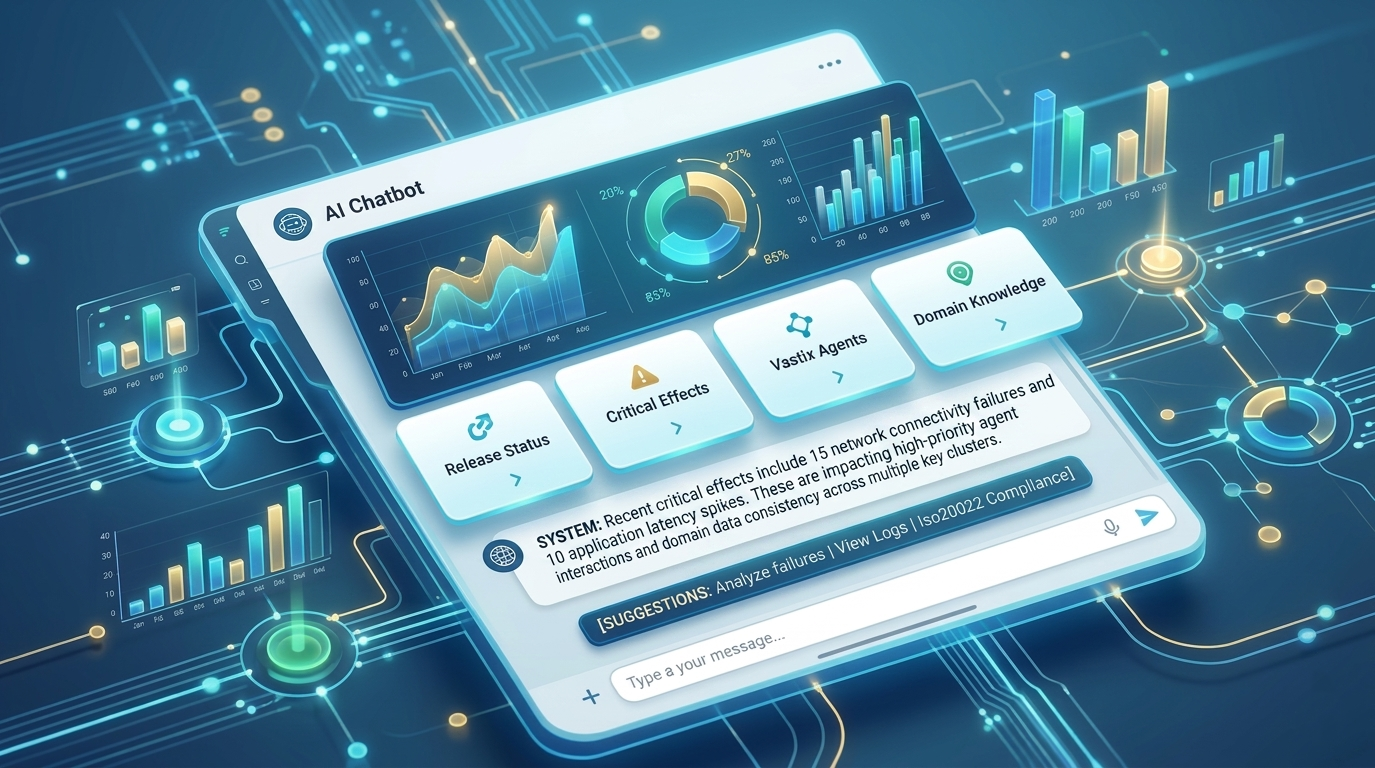
One of the most impactful innovations in this space is the AI-based chatbot with real data integration—a solution that goes far beyond answering basic queries. It acts as a smart assistant, capable of understanding context, retrieving live data, and delivering actionable insights instantly.
In this blog, we explore how AI chatbots integrated with real-time data are transforming workflows, improving productivity, and redefining user experience.
What is an AI Chatbot with Real Data Integration?
An AI chatbot with real data integration is an advanced conversational system that connects directly to live databases, APIs, and enterprise systems.
Unlike traditional chatbots that rely on pre-defined responses, these intelligent assistants can:
- Fetch real-time data
- Understand user roles and context
- Perform dynamic actions through backend integrations
- Deliver accurate and personalized insights
This makes them highly valuable for industries where data accuracy, speed, and context-awareness are critical.
Key Features of AI-Based Chatbots
(1) Context-Aware Intelligence
Modern AI chatbots are designed to understand who the user is and what they need without requiring manual input.
- Automatically identifies user roles, permissions, and access levels
- Understands project or system context
- Provides personalized and relevant responses
This ensures users receive precise insights tailored to their responsibilities, improving decision-making efficiency.
(2) Real-Time Data Integration
One of the most powerful capabilities is the ability to connect directly with live systems.
- Fetches real-time data from databases and APIs
- Executes backend queries instantly
- Displays structured outputs like tables, logs, and summaries
Instead of relying on outdated reports, users get live, accurate information at the moment they need it.
(3) Intelligent Function Calling
Advanced AI chatbots use function calling mechanisms to perform actions dynamically.
- Identifies the intent behind user queries
- Triggers appropriate backend functions
- Converts raw data into human-readable insights
This allows the chatbot to act not just as an assistant, but as an active operational tool.
(4) Domain-Specific Expertise
Unlike generic AI tools, modern chatbots can be trained for specific industries, such as:
- Banking and Financial Systems
- E-commerce and Retail Platforms
- Human Resource Management (HRM)
- Enterprise Applications (ERP, CRM systems)
This enables them to provide deep, meaningful insights rather than generic responses.
(5) Enhanced User Experience
A well-designed AI chatbot ensures a smooth and productive user journey.
- One-click quick actions for common tasks
- Smart follow-up suggestions
- Floating and full-screen modes
- Rich formatting (tables, logs, code snippets)
This creates a frictionless experience, allowing users to interact naturally while staying productive.
(6) Secure Session Memory
Context retention is essential for complex workflows.
- Maintains conversation history securely
- Tracks session-based interactions
- Enables continuous conversations without repetition
Users can investigate issues, analyze data, and track progress seamlessly.
Benefits of AI Chatbots with Real Data Integration
Faster Decision-Making: Instant access to live data helps teams make informed decisions quickly.
Improved Accuracy: Eliminates dependency on outdated reports and manual data fetching.
Increased Productivity: Automates repetitive tasks and reduces manual effort.
Better Insights: Transforms complex data into easy-to-understand insights.
Secure and Scalable: Ensures data privacy while supporting enterprise-level scalability.
Real-World Use Cases
AI chatbots with real-time data integration are transforming multiple domains:
- Quality Engineering – Track test cases, failures, and release health
- Customer Support – Provide real-time order and service updates
- E-commerce – Analyze sales, inventory, and customer behavior
- Finance – Monitor transactions and compliance data
- HR Systems – Manage employee records and payroll insights
Why Businesses Should Adopt This Technology
The shift toward AI-driven systems is no longer optional—it is essential for staying competitive.
Businesses adopting AI chatbots with real data integration can:
- Reduce operational costs
- Improve response time
- Enhance user satisfaction
- Gain a competitive advantage
The Future of AI Chatbots
The next generation of AI chatbots will go even further by:
- Predicting issues before they occur
- Providing proactive recommendations
- Integrating with more complex enterprise ecosystems
- Delivering hyper-personalized experiences
They will evolve from simple assistants into strategic digital partners.